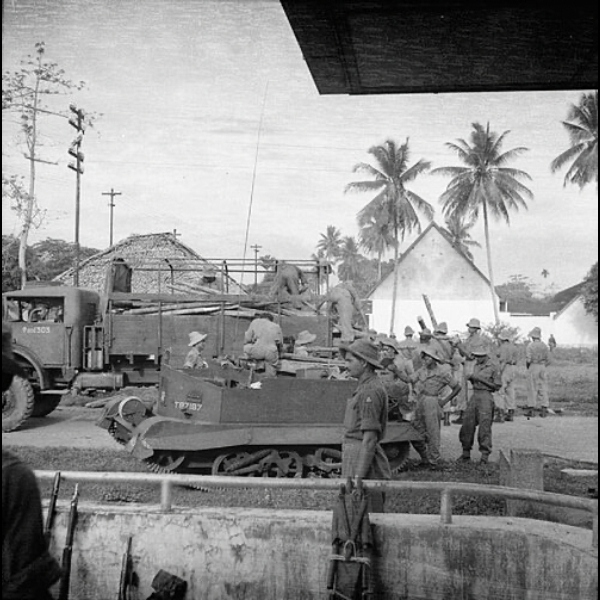
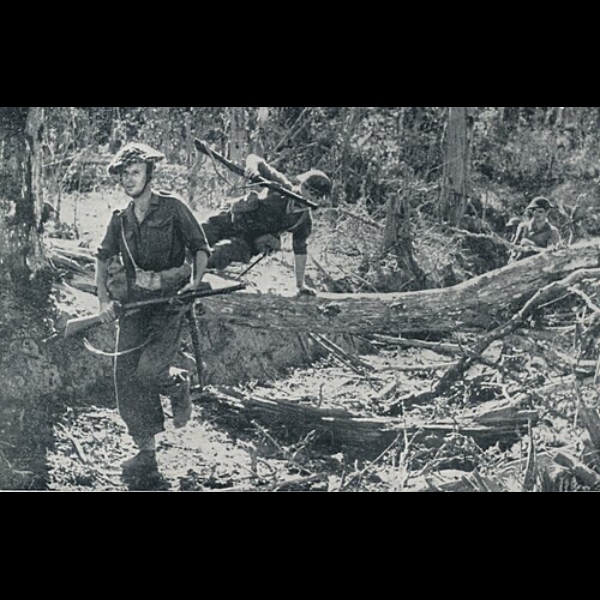
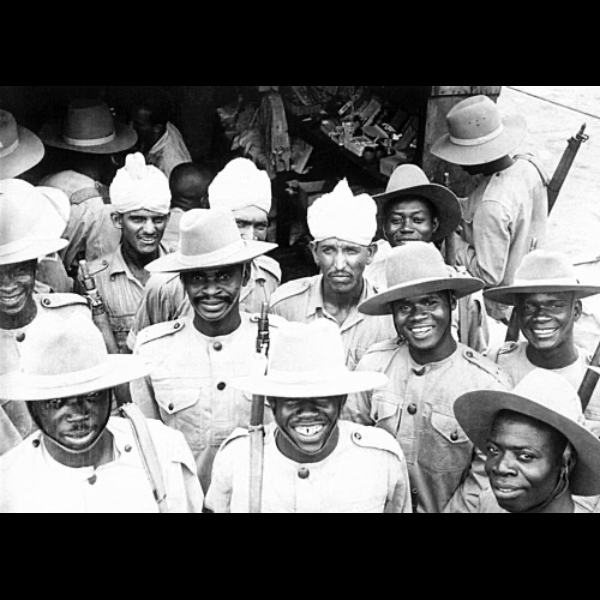
Graham Dunkley

My Frontline Walk 2025

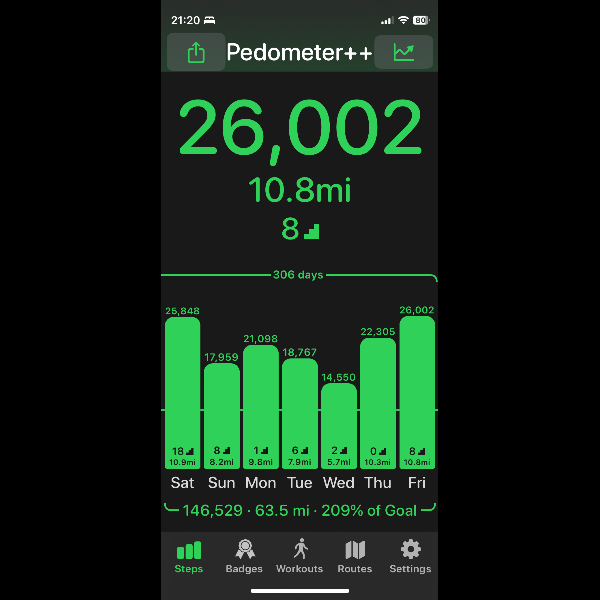
My Activity Tracking

160
mi

My target 160 mi

Project KOHIMA 26
I first thought of KOHIMA as the project name, when I undertook my first MY FRONTLINE WALK in 2024. I wanted to recognise the valour of all the commonwealth soldiers who turned around the Allies war effort during this battle, with little or no recognition at that time. 

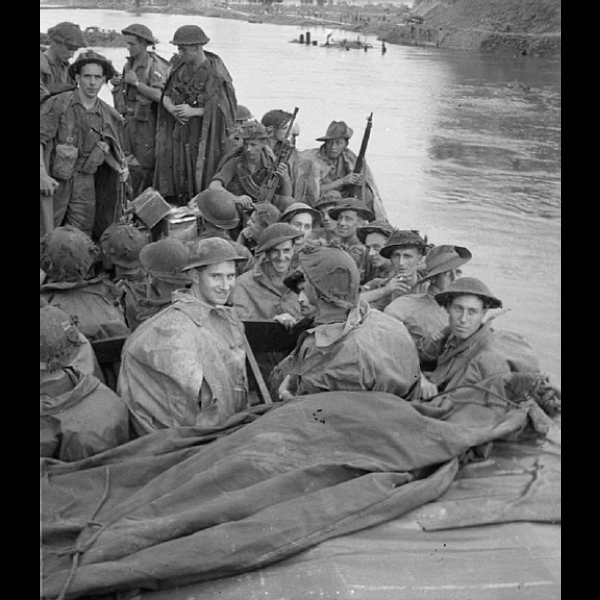
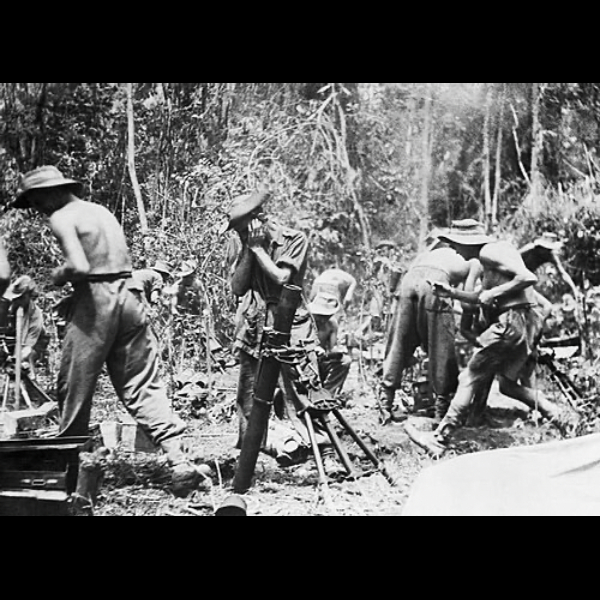
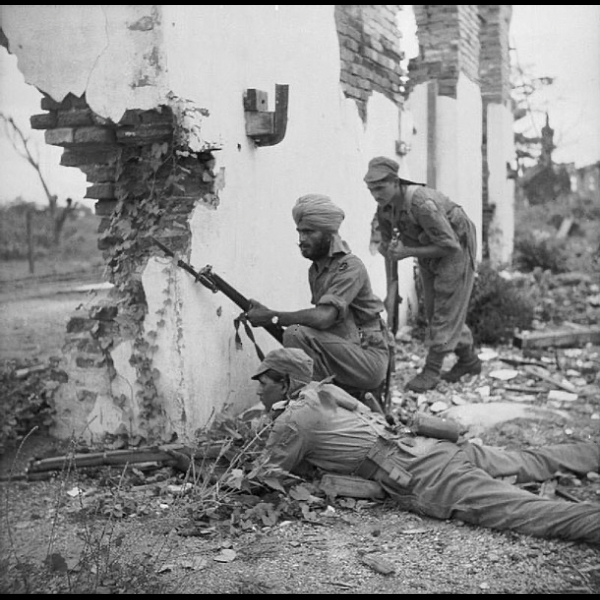
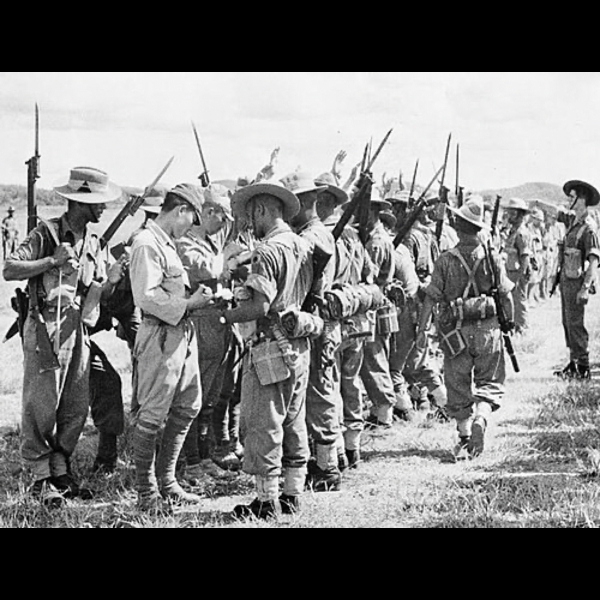
This year, I’ve decided to keep the project name in recognition of the 80th anniversary of VJ Day. The Fourteenth Army was nicknamed the Forgotten Fourteenth due to lack of media coverage, distance from the Home Front and the Allies Germany-first strategy. 

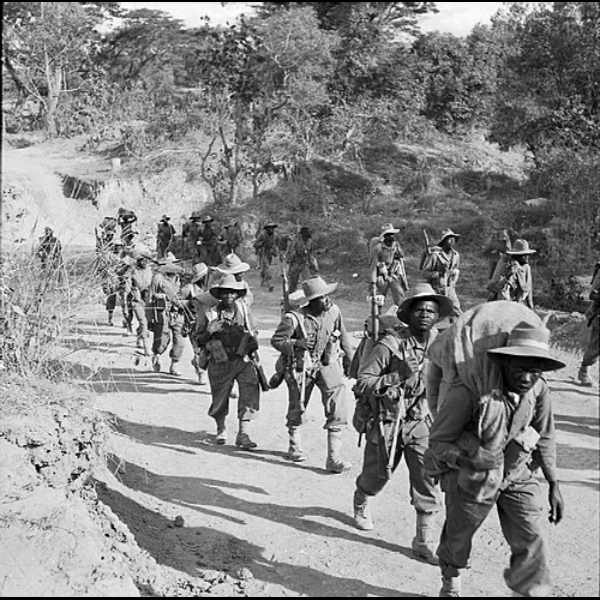
It  was the largest multinational Commonwealth army during World War II, with around one million soldiers from Britain, India, Africa, Australia and smaller Commonwealth countries and islands. 

Please help me help them by giving whatever you can use the 'Donate' button.

The more people that know about the Army Benevolent Fund, the greater their impact, so please also spread the word by sharing my page with your friends and family.

Thank you in advance for your generosity, it means a lot.

My Achievements

Raised £0

Raised £100

Raised £250

Raised £500

Raised £1,000
Raised £1,500
Raised £2,000

Raised £3,000

Raised £5,000
Raised £10,000
Raised £20,000

Raised £40,000

Raised £60,000
Raised £80,000

Raised £100,000

My Updates
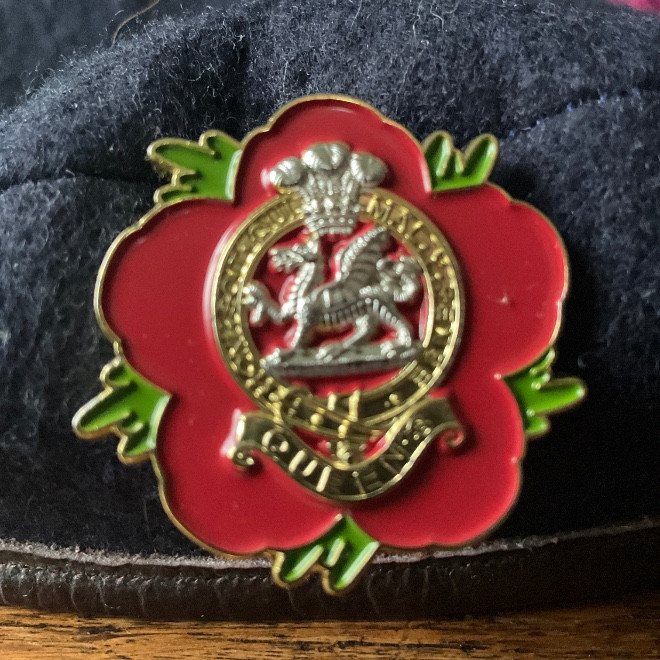
K30 reflections - The Burma Star Medal and Memorial Fund.
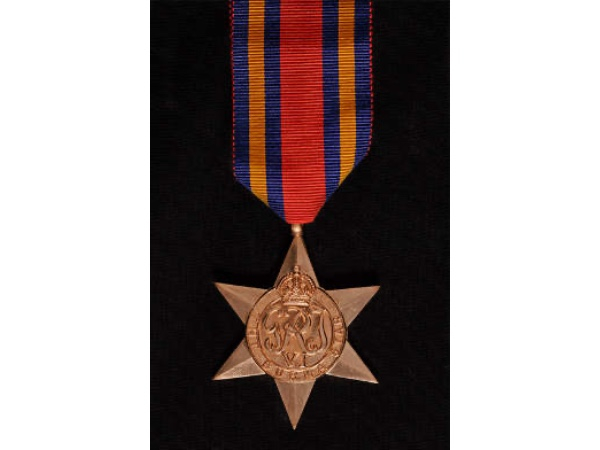
The Burma Star was awarded for one day or more operational service between 11 December 1941 and the 2 September 1945. 

The medal ribbon has a red centre representing the British and Commonwealth Forces, blue to represent British Naval Forces and orange for the sun. 

Recipients of the medal would also have received the 1939-1945 Star, Defence Medal and Victory Medal. 

The Burma Star Memorial Fund is a charity started in 2005 to ensure that the memory of those that served in the Burma Campaign were never forgotten.  On the 1 April 2020, the Burma Star Association merged with the Memorial Fund, which then took over the association’s work and setting up a scholarship scheme in honour of Burma Star Veterans. 

The Memorial Fund has three immediate goals; Benevolence, Remembrance and Legacy. 

For more info click on https://burmastarmemorial.org 

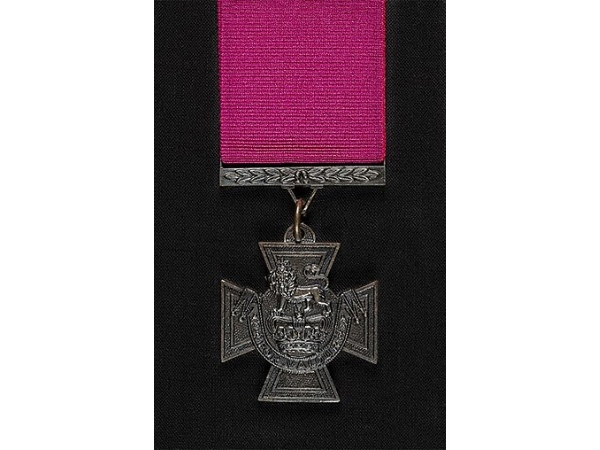
K29 reflections - For Valour

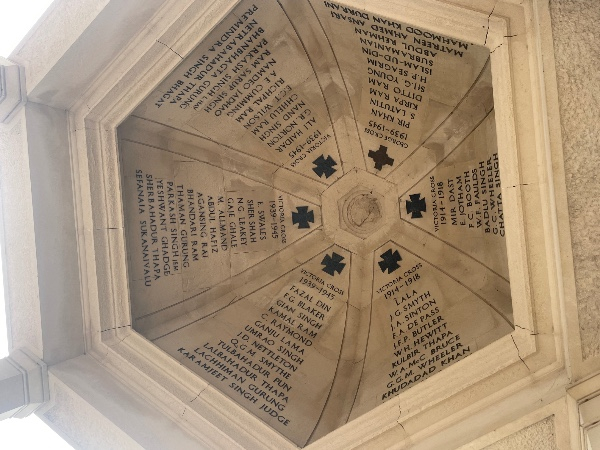
Instituted by royal warrant on 29 January 1856. The medal has been awarded a total of 1,358 times to 1,355 recipients. Of these 182 were awarded during WW2, of which 34 are recorded on the inner dome of the Commonwealth Memorial Pavilion on Constitution Hill, next to Green Park. 

During the Burma Campaign, 29 Victoria Crosses were awarded to the 14th Army,  of which 17 recipient's served with the British Indian Army. 

Parkash SINGH - 8th Punjab Regiment
Gaje GHALE - 5th Royal Gurkha Rifles
Alec HORWOOD - Queens Royal Regiment
Charles HOEY - Lincolnshire Regiment
Nand SINGH - 11th Sikh Regiment
George CAIRNS - South Staffordshire Regiment 
Abdul HAFIZ - 9th Jat Regiment
John HARMAN - Queens Own Royal West Kent Regiment 
John RANDLE - Royal Norfolk Regiment 
Hanson TURNER - West Yorkshire Regiment 
Ganju LAMA - 7th Royal Gurkha Rifles
Michael ALLMAND - 6th Gurkha Rifles
Tulbahadur PUN - 6th Gurkha Rifles
Netrabahadur THAPA - 5th Gurkha Rifles
Agansing RAI - 5th Gurkha Rifles 
Frank BAKER - 9th Gurkha Rifles
Ram SINGH - 1st Punjab Regiment 
Bhandari RAM - 10th Baluch Regiment 
Umrao SINGH - Indian Royal Artillery 
Sher Shah ANWAN -  16th Pnjab Regiment 
George KNOWLAND - Northamptonshire Regiment/ No 1 Commando 
Parkash Singh CHIB - 13th Frontier Force Rifles 
Fazal DIN - 10th Baluch Regiment 
Gian SINGH - 15th Punjab Regiment 
Basil WESTON - Green Howerds
Bhanbhakta GURUNG - 2nd Gurkha Rifles
Karamjeet Singh JUDGE - 15th Punjab Regiment 
Claud RAYMOND - Corps of Royal Engineers 
Lachhiman GURUNG - 8th Gurkha Rifles


K28 reflections - The 14th “Forgotten” Army by numbers
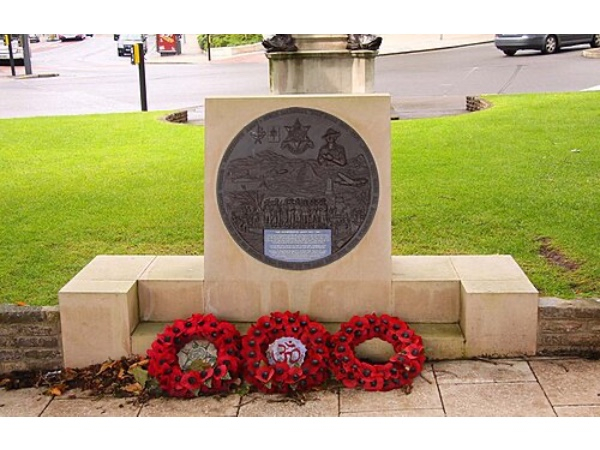
When you go home don’t worry about what to tell your loved ones and friends about service in Asia. No-one will know where you were, or where it is if they do. You are and will always remain the “Forgotten” Army. 

Words attributed to Field Marshal Rt. Hon. VISCOUNT William “Bill” SLIM KG GCB KCMG GCVO GBE DSO MC PC

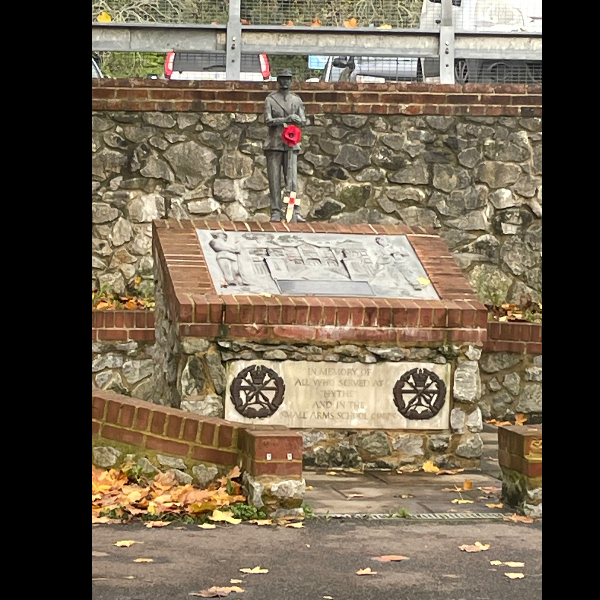
Image: 14th Army Memorial in Bristol.
- 1 Army of 
- 1,000,000 men and women speaking
- 100 languages from
- 20 countries split into
- 14 Divisions of which 
- 9 are from the British Indian Army 
- 3 are African Divisions; and 
- 2 are from the British Army; and 
- 11 independent Brigades; supported by 
- 5,000 logistics personnel; and 
- 3,000 coolies; moving 
- 2,000 tonnes of supplies a day; winning 
- 29 Victoria Crosses. 

Nothing short of amazing ( words attributed to me). 

K27 reflections - 50th independent Indian Parachute Brigade

One of eleven smaller formations that fought alongside the major divisions that constituted the 14th Army. 

Formed in October 1941, it was made up of three parachute brigades 151 (British), 152 (Indian) and 153 (Gurkha) and embedded support from artillery, engineers and medical units. 

It took part in the Battle of Sangshak, and was accredited with delaying the Japanese units moving up for the Battle for Imphal, while supporting British and Indian reinforcements reaching Kohima. 

The brigade remains an active formation of the modern Indian Army and has a special operations capability. It has operated in Indo-Pakistani Wars in 47-48, 65 and 71. It also participated in the Invasion of Goa in 1961, Operation Cactus 1988 and Kargil War in 1999. 


K26 reflections - 82nd (West Africa) Division
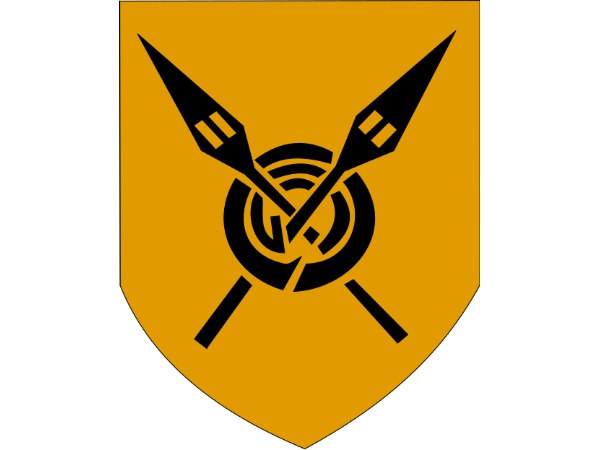
Based on two West African Brigades which fought in the East Africa Campaign in 1940-41. The divisions HQ became active on 1st August 1943, but it didn’t take control of its sub-units until 1st November 1943. Raised as a wartime formation it took its numbering, from the next vacant number in the British Army list.

The divisions patch was based on two spears with a porters headband arranged around them, on a yellow background. It is believed that this design was derived from its structures reliance on porters to head load all heavy equipment and supplies, without  the. Red to rely on any mechanical transportation.

Much like the 81st (West Africa) Division, all its sub-units drawn from units across West Africa. 

The formation was deployed on operations from December 1944, and operating alongside 3 Commando Brigade and 25th Indian Infantry Division, it made an effective contrite the success of the Third Arakan. Campaign. 

Sadly, it suffered 2,085 casualties of the 15,000 soldiers deployed. Some of these casualties remain buried in jungle tracts. However many of them were buried in formal war grave cemeteries managed sensitively by the Commonwealth War Graves Commission to this day. 

The division remained in Burma after the wars end and was disbanded in September 1946.


K25 reflections - 81st (West Africa) Division
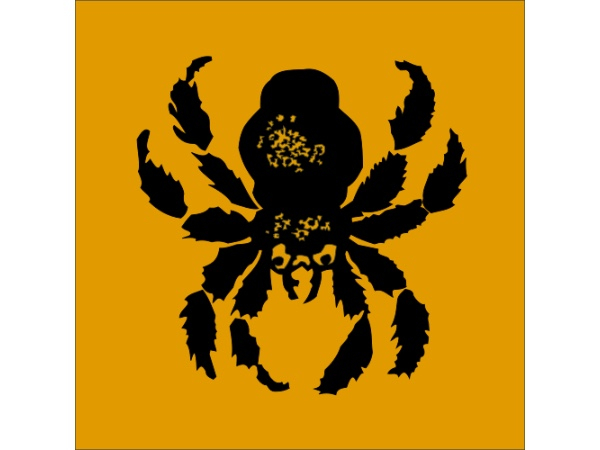
The use of West African troops was championed by General George Gifford, GOC West Africa Command. The framework for the division was based on the West African Frontier Force. Originally designated 1st West African Division, it was renamed the 81st three days later, taking over the next vacant divisional number in the British Army list.

Formed on the 1st March 1943, its divisional patch was the Ananse spider, based on a character from Ashanti mythology. The division numbered approximately. 15,000 soldiers. 

Its infantry brigades were solely composed of West African infantry battalions, unlike the Indian Infantry Divisions. The units came from the Gambia, Sierra Leone, Gold. Past and Nigeria. One of their brigades supported the Chindit units by patrolling their bases, while their columns attacked the Japanese. The remainder of the Division fought in the second Arakan offensive.

The 81st was withdrawn to India on the 22 April 1945 before returning to West Africa and be disbanded on 31 August 1945. 

K24 reflections - British 36th Division

One of only two British Divisions in the Fourteenth Army. 

Thereafter division was formed on the 15 December 1942 as part of the Indian British Army. Although its infantry brigades consisted entirely of british infantry battalions, its support service units were entirely Indian. The division wasn’t designated a British Division until September 1944. 

Its insignia was two interlocked rings - one white and one red on a black background. The division distinguished itself by being the only division in the fourteenth army to be resupplied by the US Tenth Air Force from air for an extended period of time. 

The division saw service in India and Burma before being disbanded in 1945. Its british units being absorbed into the British 2nd Division and its Indian units being absorbed into the new Indian Army. 


K23 reflections - 26th Indian Infantry Division.
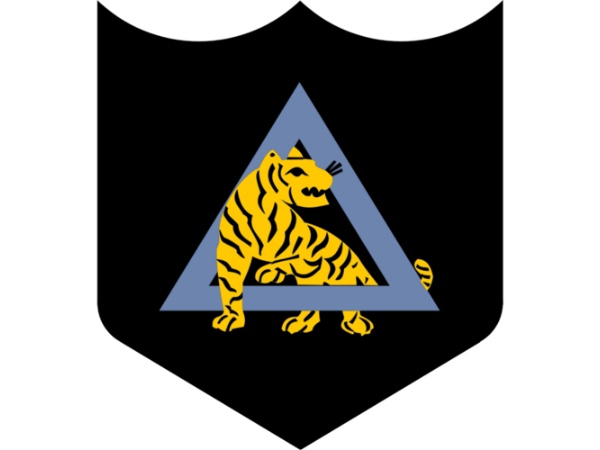
Formed on the 20 March 1942 in response to the Japanese invasion of Burma. The division was constituted of a variety of units based around Calcutta. This to the division being named the Calcutta Division, until it was rename the 26th Division. 

The divisions insignia was based on the Bengal Tiger stepping through the blue triangle which represented the delta around the River Ganges. The unit followed similar infantry structures, base around three infantry brigades (4/36/71), with two of the brigades having a British infantry battalion in the order-of-battle. For most of 1942, the division was deployed to internal security duties as it was felt that it wasn’t battle-worthy due to lack of training and transportation. 

Throughout 1943 the division was used in a piecemeal fashion in the Battle-Casualty- Replacements (BCR) role. In 1944, the division was committed to battle as a complete division in the third Arakan  offensive. Thereafter, it took part in amphibious operations culminating in Operation Dracula, the retaking of Rangoon.

After the Japanese surrender, the division undertook internal security duties in Java and Sumatra to quell disorder. In 1946 the division returned to India to be disbanded. 

The division was nicknamed the Tiger Head Division.


K22 reflections - 25th Indian Infantry Division
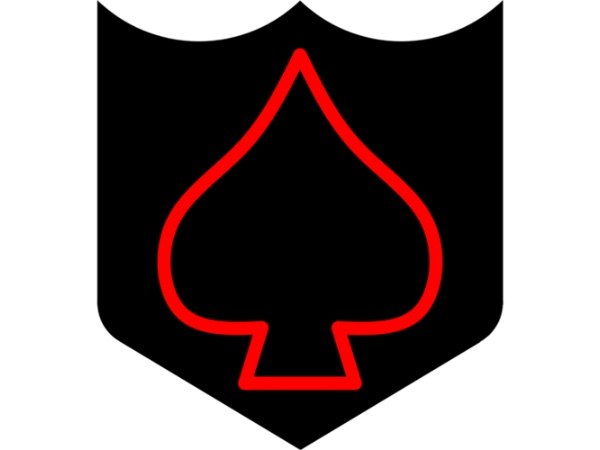
Formed in August 1942 for the purpose of defending against invasion while training in jungle warfare. The divisions insignia was the “ace of spades”. This may have been due to its unique order-of-battle,  in comparison to other Indian Infantry Divisions. 

The division followed the traditional format of three infantry brigades ( 51st, 53rd and 74th), each of which included a British Infantry battalion and two/three infantry battalions from the Indian subcontinent. In addition to these brigades, it also had 3 Commando Brigade within its order-of-battle. 

3 Commando Brigade was formed of four commandos ( equiv. to an infantry battalion), 42 & 44RM Commando and No’s 1&5Army Commando. 

While its wartime role was limited, it did participate in a seaborne invasion with the Royal Navy and 3 Commando Brigade, winning four Victoria Crosses in the process, 

The division was disestablished at the end of the war in 1946, and reformed again in 1948 and remains an active formation in the modern Indian Army. 

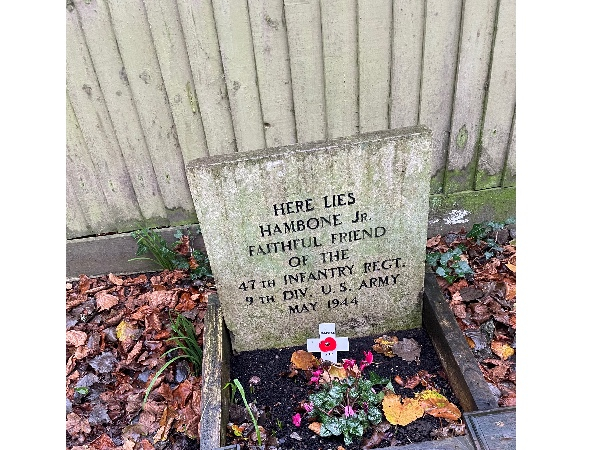
K22 - Hamebone Jnr. May 1944

A slight digression from to my routine posts during this challenge. 

Came across this headstone this morning. It  recognises a terrier dogs contribution to unit morale, when the 47 Infantry Regiment, 9 US Division were preparing for Operation Overlord. 

The unit were amphibious specialists and had been redeployed to provide specialist support to the US landings on Utah Beach. 

Sadly, in May 1944 Hambone Jnr was accidentally hit by a US army truck from the same regiment, while conducting pre-invasion exercises. . 

The two soldiers involved were so distraught, a local villager who visited their camp frequently, gifted the unit another terrier dog called “spider”. 

“Spider” accompanied the unit to Southampton, before they departed for Utah Beach on D-Day + 4. 

K21 reflections - 23rd Indian Infantry Division

Formed on the 1st January 1942 as a wartime division. The unit saw action throughout Burma with key engagements at the Battle of Imphal and on Operation Zipper. The unit was also used to suppress disorder in the Dutch East Indies before its disestablishment in 1947. 

The division was made up of infantry units from across the Indian subcontinent and one Scottish infantry battalions. 

It’s insignia of a red fighting cock on a red background, was  thought of by the divisions first commander, so as not to upset either Moslem or Hindu soldiers in the division.

The division was reformed in 1959 and remains anaacrive unit within the modern Indian Army to this day. 

K20 reflections - Indian Infantry Division

Formed in April 1942, it served during the Burma Campaign and in  Vietnam between 1945-46. 

The division was formed around three infantry brigades (32nd, 80th and 100th).. Much like other Indian divisions, each brigade consisted of three infantry battalions, one of which was from a British Army infantry regiment l

It fought in the Battle of Imphal and Southern Burma before bein* deposited to Southern Vietnam. The main purpose of the deployment was to repatriate allied POWs and disarm Japanese units stationed there. Before deploying, the british regiments were replaced with infantry battalions from the Indian subcontinent. 

Chinese units moved into North Vietnam at the same time, to disarm Japanese units, and assist the Viet Minh with their training and armaments.  It was at this same time that the 20th Division found itself skirmishing with the Viet Minh in what was considered to be the first Vietnam War, before hand8n* over operations to the French.

The division was disbanded on its return to India in 1946. 

Well me and Baxter nailed it at06.00 hours this morning. We completed our final two miles, before announcing ENDEX across LinkedIn. That’s us d8ne for the year, bu5 we’ll co tune to blog until the 30 November.

Thank yo7 to everyone for the support and donations. .

K20 reflections - ENDEX

Baxter and I hit our 160 mile mark at 06.00 hours this morning. Both well chuffed that we completed our challenge 6-days ahead of schedule. Looking forward to next year already when we plan to walk in recognition of the Eighth Army who fought in the western desert and Italy.

The blog will continue to run until 30 November as will our endeavours to hit our £759 target, in recognition of the 759 CWGC graves in our local area. 

K19 reflections - 19th Indian Infantry Division
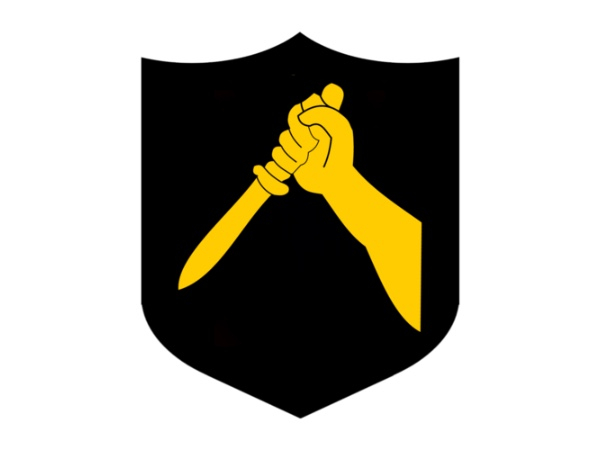
Often referred to as the Dagger Division due to its insignia. 

It was formed in October 1941  for home-defence duties,  guarding  against seaboard attack from the Japanese.  The unit transferred into the Fourteenth Army in 1944, where it fought a number of successful actions fighting on the left flank of the British 36th Division. One of these actions was the capture of Mandalay. Its success was largely attributed the fitness and morale of its pre-war regular soldiers and non-commissioned officers.

Much like other Indian Infantry Divisions, it was made up of three infantry brigades, each of which had a british infantry battalion working and fighting alongside two infantry battalions from the Indian subcontinent. 

The division remains in service with the modern Indian Army to this day. 

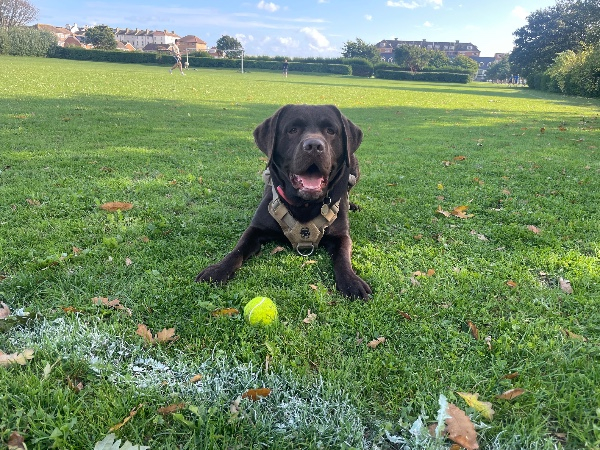
Baxter and I continued towards our ENDEX target of 160 miles in 26 days, hence KOHIMA 26. Just in case anyone was wondering if I was a year out 😂😂😂😂. 

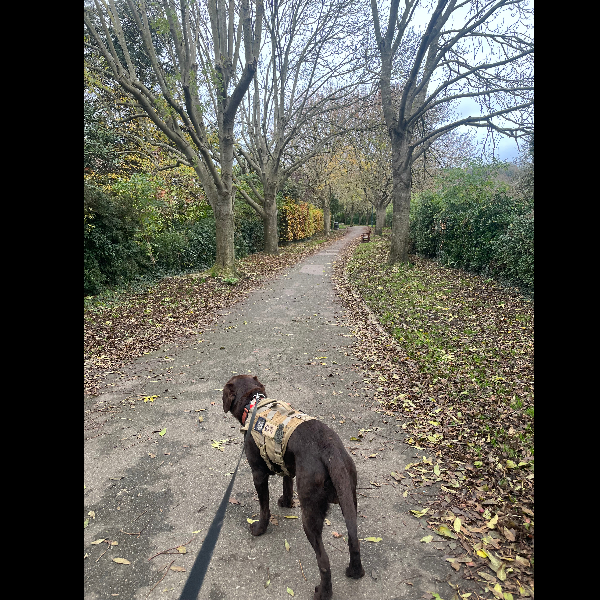
Baxter completed 6.6 miles equiv. to 45,259 🐾🐾🐾🐾steps and I’ve coddiwompled a further 6.2 miles equiv. to 14,799 grumpy old Queensman steps.

We may be calling ENDEX to Project KOHIMA 26 six days ahead of time - or we might walk some more 🤷‍♂️

K18 reflections - 17th Indian Division

Raised in 1941, it was a wartime formation that had the distinction of remaining in combat for three years continuously. Although it was disestablished in 1946. It reformed I 1960 as the 17 Mountain Division, which is currently based in Sikkim under XXXIII Corps.

Nicknamed the black cat division. It was an all-arms division, with armoured, artillery, engineer and infantry units attached to it. Less two british infantry battalion, the remaining infantry battalions were drawn from the Gurkha Rifles. 

I managed 9.7 miles equiv. of 19,794 grumpy old Queensman steps while my furry four-legged personal trainer 9.4 miles equiv. to 63,959 🐾🐾🐾🐾steps. 

Nearly there…….


K17 reflections - 11th (East Africa) Infantry Division

Formed in February 1943 for wartime service, it consisted of  three infantry brigades (21st, 24th and 25th). All its battalions were drawn from the  Kings African Rifles. While British Officered, their soldiers were recruited from Kenya, Uganda, North and South Rhodesia, Nyasaland, Tanganyika and the Belgian Congo.

The division served with the Fourteenth Army in the Burma Campaign. They pursued the Japanese retreating from Imphal down the Kabaw valley and established bridgeheads over the Chindwin River and participated  in the Battle of Meiktila and Mandalay,  before disbandment at the end of the war in 1945.

Slowly coming to the end of our charity walk. Baxter completed 5.8 miles equiv equiv. of 39,736 🐾🐾🐾🐾 steps, while coddiwompled in on 6.8 miles the equiv. of 15,969 grumpy old Queensman steps. 

K16 reflections - The 7th Indian Division
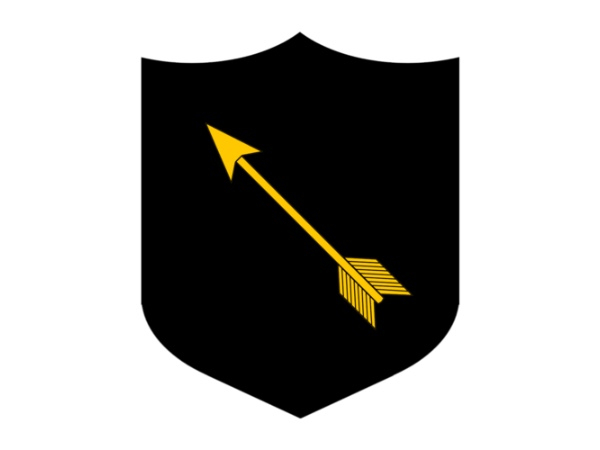
Formed on the 01 October 1940 for wartime service in the western desert. It was redeployed to Burma in 1943 and consisted of three infantry brigades -  33rd, 89th and 114th. Much like the 5th Indian Division, its infantry brigades were made up of three battalions one of which was from the British Army, with the other two coming from across the Indian subcontinent.

The division fought with distinction throughout the Burma Campaign and earned the nickname “golden arrow”. 

Following the partition in 1947, the division was split into two between India and Pakistan. To date, both armies retain a 7th Division who also retain the golden arrow insignia and nickname.

Small walk today due to rain and unplanned work stuff - didn’t even qualify for coddiwomple status!!!!

Only managed 4.8 miles equiv. to 11,519 grumpy old Queensman steps.  Meanwhile Baxter beat me again with 10.1 miles equiv. 68,810 🐾🐾🐾🐾 steps. 


K15 reflections - To coddiwomple

“ to travel in a purposeful manner towards a vague destination”.

 This did make me giggle when I see it on the side of a camper van. 

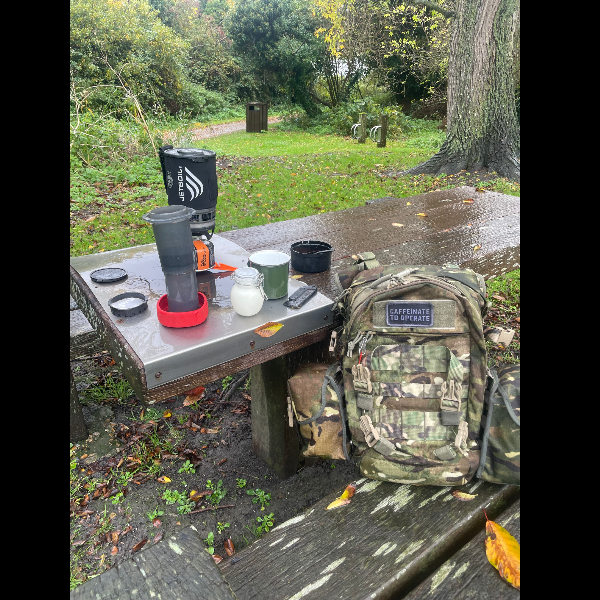
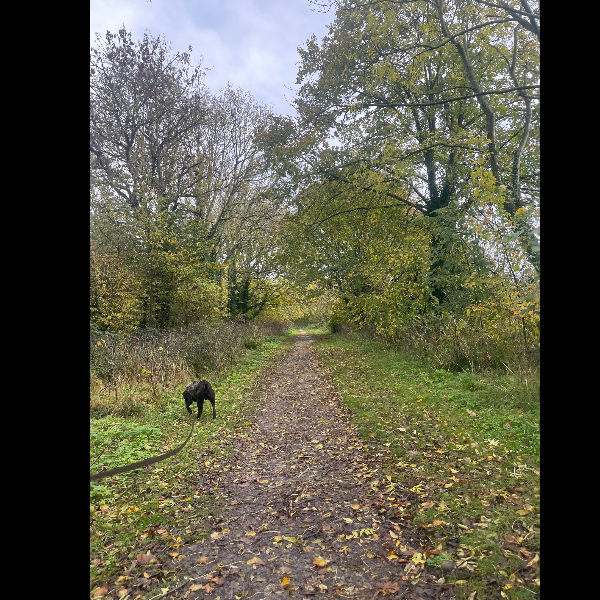
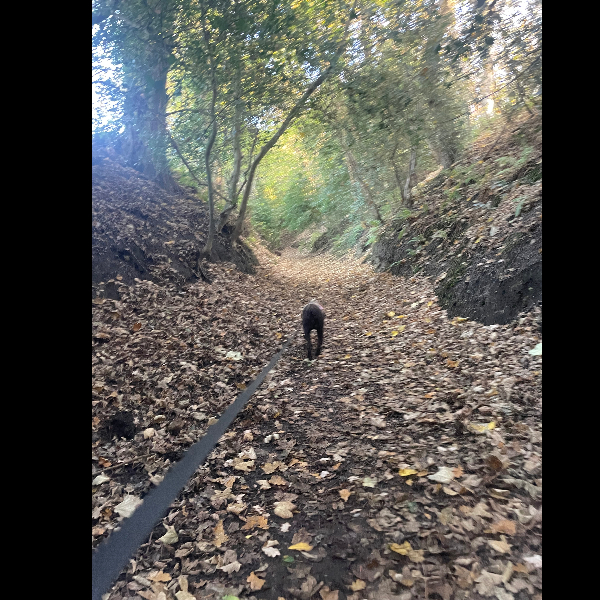
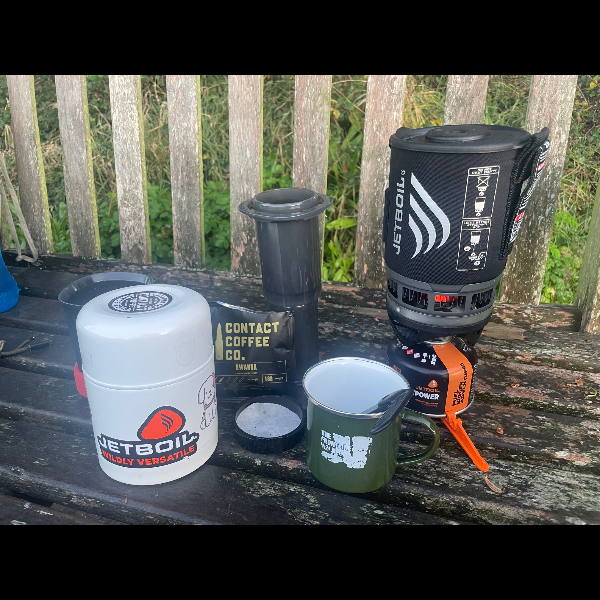
Baxter and I had a good coddiwomple around local footpaths today. Stopping off for some fresh coffee and an outdoors breakfast. 

Baxter completed a colossal 12 miles, equiv to 81,943 🐾🐾🐾🐾steps. Meanwhile I bagged another 6.6 miles equiv. 16,032 grumpy old Queensman steps. 

K14 reflections - The 5th Indian Infantry Division

An active infantry division of the modern Indian Army. It was raised in 1939 at the start of WWII, and was one of the few allied divisions to fight the Italian, German and Japanese Armies. Nicknamed the  "Ball of Fire" it served in East Africa, Western Desert Campaign, Burma Campaign, Battle of Kohima, Operation Tiderace and the Battle of Surabaya.

Lord Louis Mountbatten is on record has stating that the divisions wartime record was “second to none “.

The division now  serves in a mountain-trained role in the modern Indian Army. 

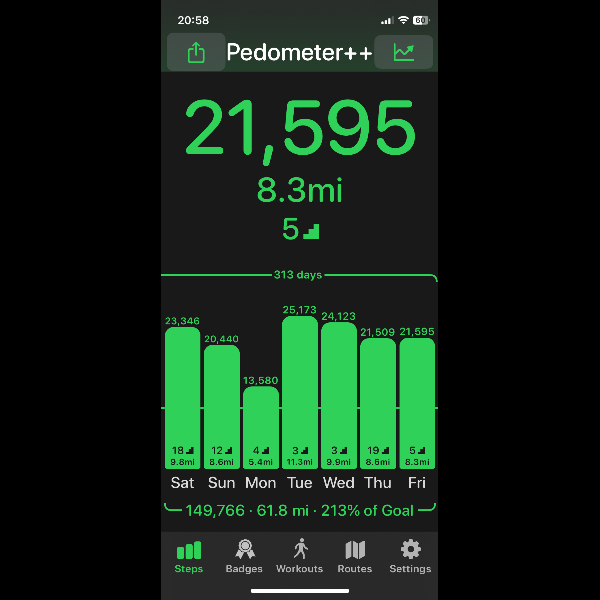
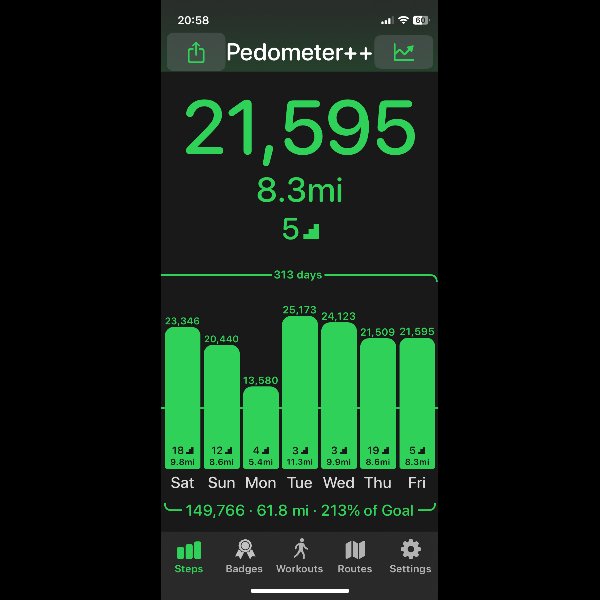
Today, Baxter and I completed another 8.4 and 8.3 miles, equiv. 56,955🐾🐾🐾🐾 and 21,595 grumpy old Queensman steps, respectively. 

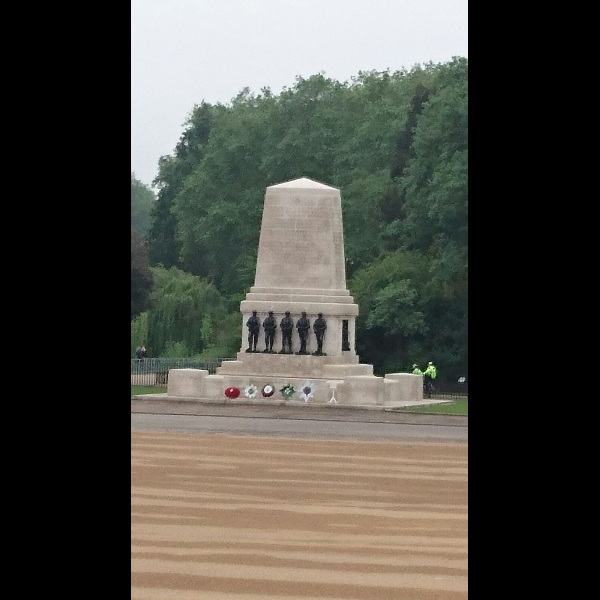
K13 reflections - The Memorial Pavilion
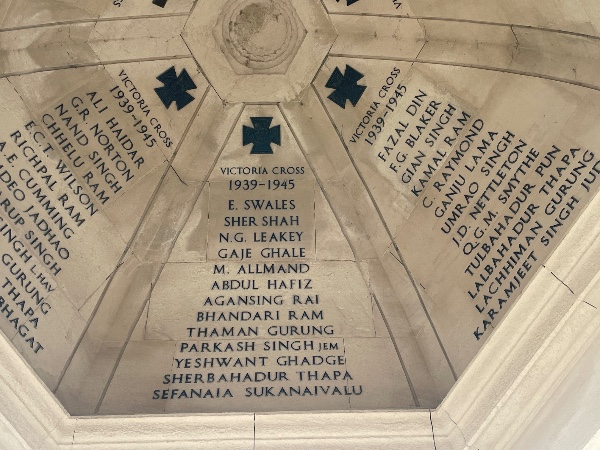
On the Green Park side of Constitution Hill has a list of those from the named regions who were awarded the George Cross (GC) or Victoria Cross (VC) in the two World Wars. The 74 names are listed on the ceiling of the small domed pavilion. The images shows the 39 VC recipients from World War II.

Baxter punched out another 7.2 miles, equiv. to 48,802 🐾🐾🐾🐾steps. While I coddiwompled along on 8.6 miles, the equiv. to 21,509 grumpy old Queensman steps. 

K12 reflections - The Commonwealth Memorial Gates
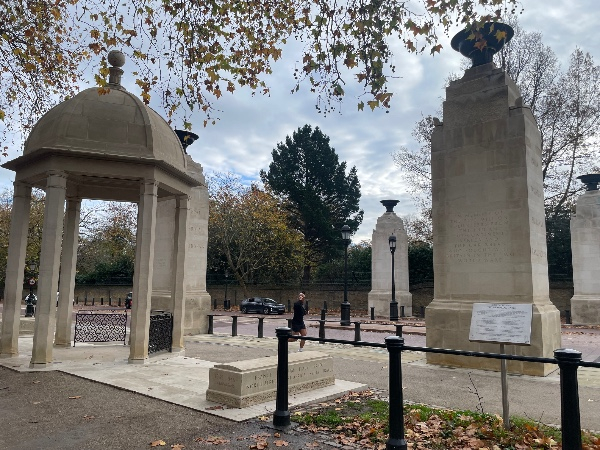
Always on my coddiwomple session list. An amazing tribute to servicemen from many commonwealth nations. 

Inaugurated in 2022 by HM Queen Elizabeth II. 

The Gates commemorate the soldiers from five countries of the Indian subcontinent ( India, Pakistan, Bangladesh, Nepal and Sri Lanka), as well as the countries of Africa and the Caribbean who served in both world wars. 

Hopefully, the next set of blogs will go some, way to recognising the contribution that they made. 

Today we hit the 100 mile mark. Me with 9.9 miles and 24,102 steps while Baxter had an easier day with 6.2 miles and 42,114 🐾🐾🐾🐾steps. 

Gave me a chance to catch up 😂😂😂😂😂😂😂

K11 reflections - British 2nd Division

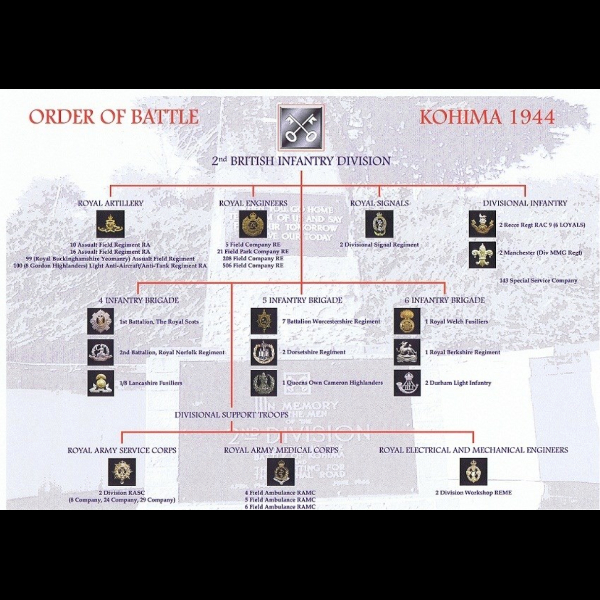
A regular army formation that was formed and disestablished numerous times between 1809 and 2012. Traditionally each of its three infantry brigades (4/5/6) consisted of battalions from English, Welsh and Scottish regiments. This remained the case throughout the campaign in Burma, during WWII. 

It was formed by The Duke of Wellington during the Peninsular War and also fought at Waterloo in 1815.

It fought with distinction on the western front in WWI. 

In WWII, the division saw service in France in 1940 before being evacuated from Dunkirk. It was then redeployed to India for service with the Fourteenth Army in Burma. 

In 1945 had it not been for the Japanese surrendering, it would been redeployed again to regain Malaya from the Japanese. 

Each of the  divisions three infantry brigades were drawn from English, Welsh and Scottish infantry battalions. 

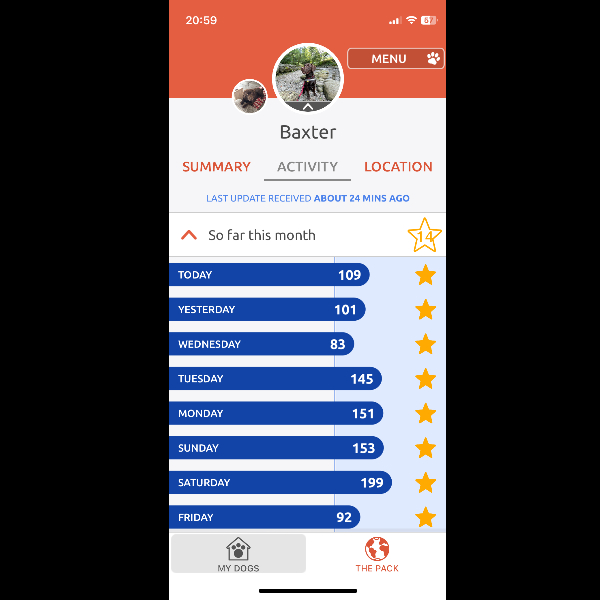
Managed to beat Baxter again with 11.2 miles and 25,044 steps against his  10.8 miles and 73,481 🐾🐾🐾🐾steps.

Gradually catching him up………

K10 reflections - The “Forgotten” Fourteenth Army
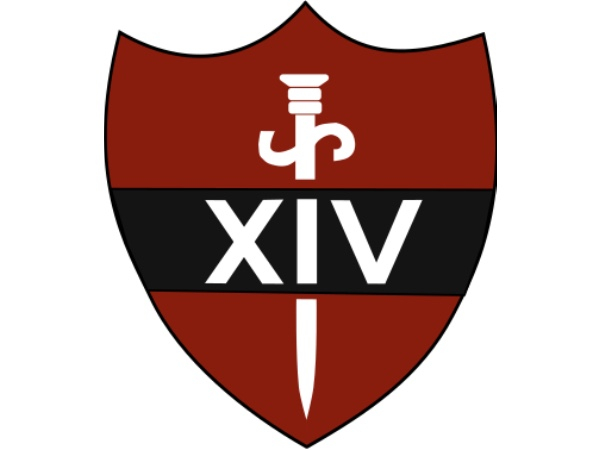
Much as the Eighth Army, it  was made up from units that came from all corners of the Commonwealth. In 1945 the Fourteenth Army was the largest army in the Commonwealth and one of the largest armies in the world, with about a million men under command. Three African divisions, the 81st and 82nd West African and 11th (East Africa) Division, were attached to the army. There were many units and formations from the British Army, but the majority of the army was built around the British Indian Army, which was stated to be the largest all-volunteer army in history with 2,500,000 men.

Despite the heavy rain 🌧️. Baxter and I managed to walk 5.4 miles today, equiv. of 13,561 steps or in Baxter’s case he walked 11.1 miles or 75,576 🐾🐾🐾🐾steps ( must have gone out on his own at some point). 

K9 reflections - Remembrance Day 2025
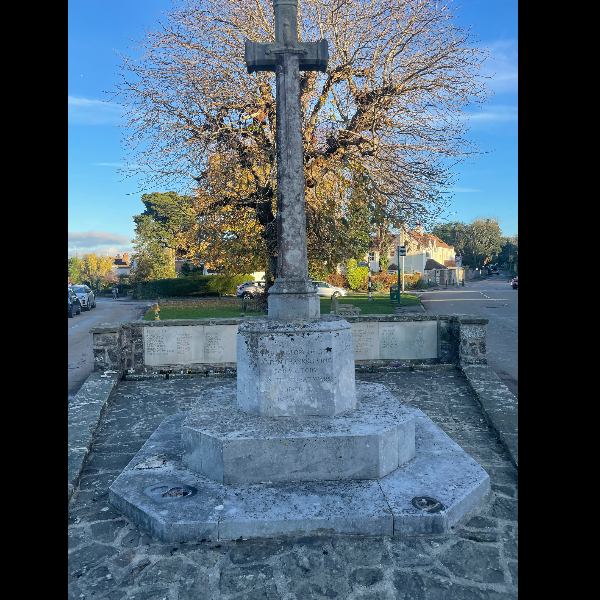
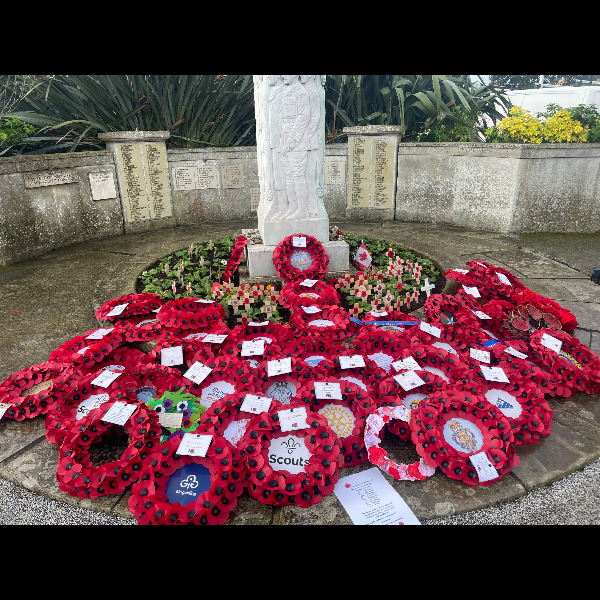
Fitting but not by design that Baxter and I completed our 80th mile at the towns war memorial this morning. I even had enough time to get home and get changed to return to the memorial in time for the start of the service. 

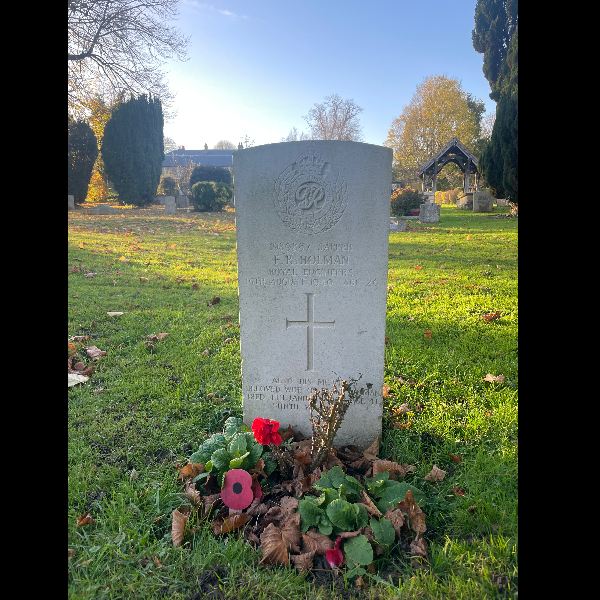
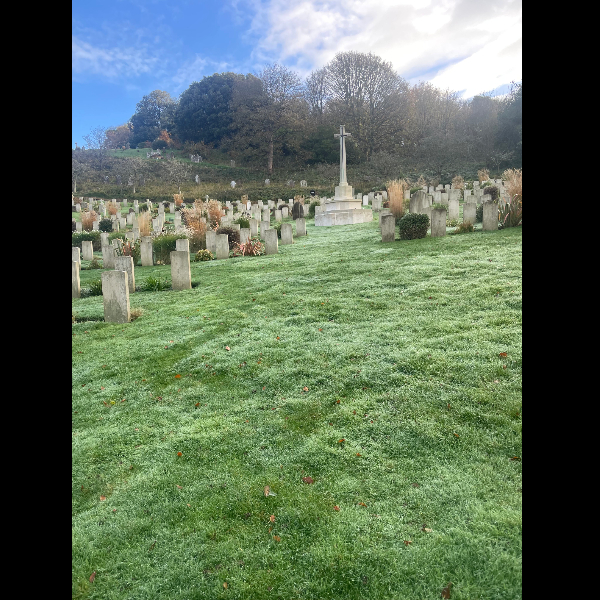
It was a busy morning with a TAB to Shorncliffe Cemetery to pay our respects before getting back home to change. 

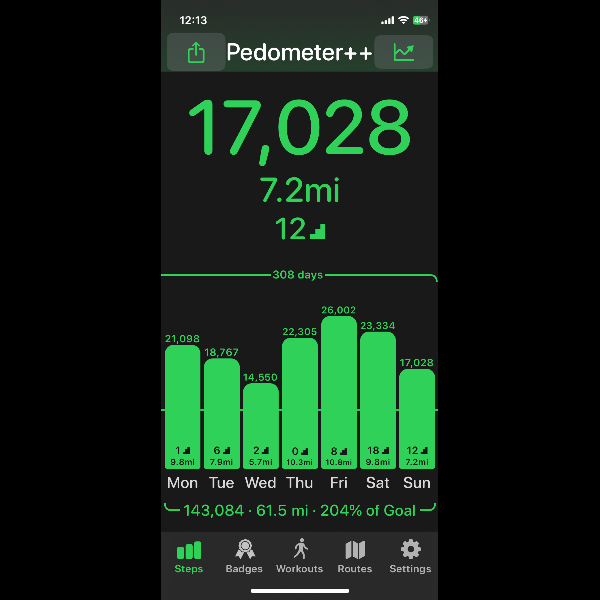
Baxter finished his 80 miles way before me - 8.9 mile and 60,428 🐾🐾🐾🐾steps to my 7.2 miles and 17,028 grumpy old Queensman steps. 

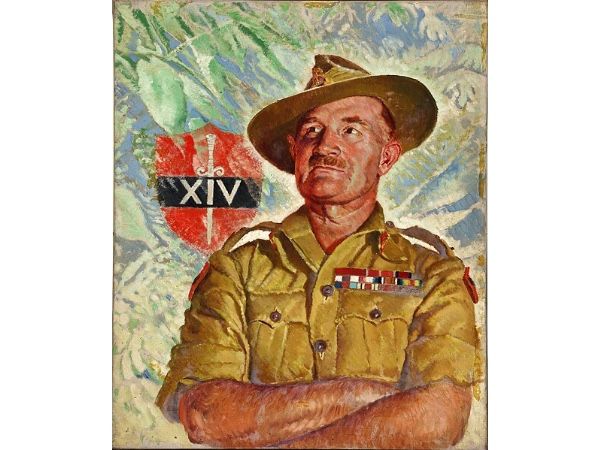
I always planned to use this portrait of William Slim with the fourteenth army patch in the background, when we completed the 80 mile challenge. 

It’s been good fun and we intend to coddiwomple a bit further. Next week, I plan to try and get to the Commonwealth Gates during one of my lunchtime leggit sessions. 

Anyway hope to continue raising as much money as we can during what’s left of November. 

K8 reflections - Saturday 08 November 2025.
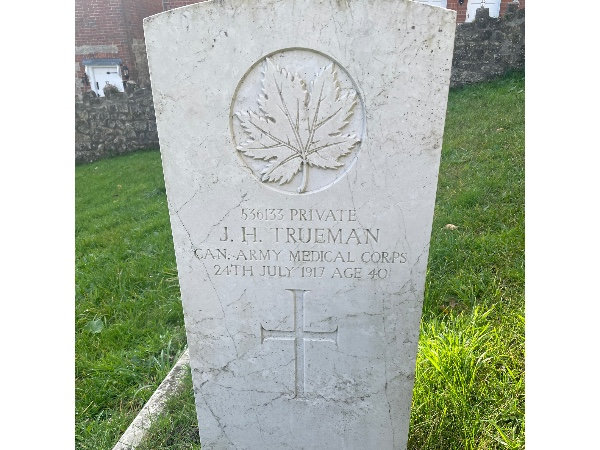
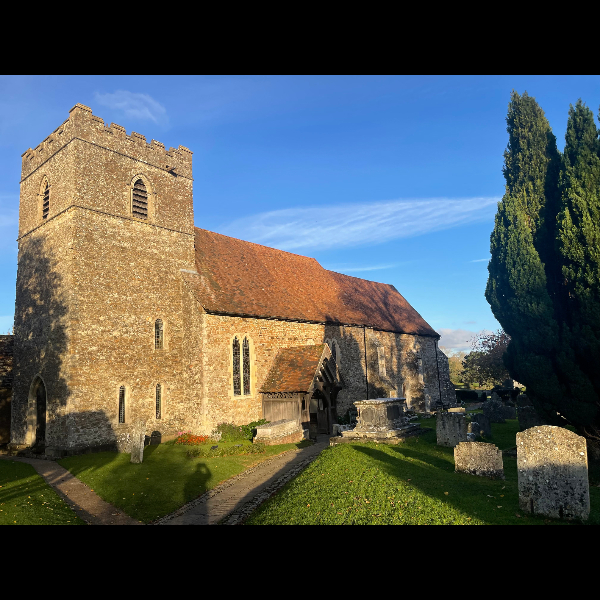
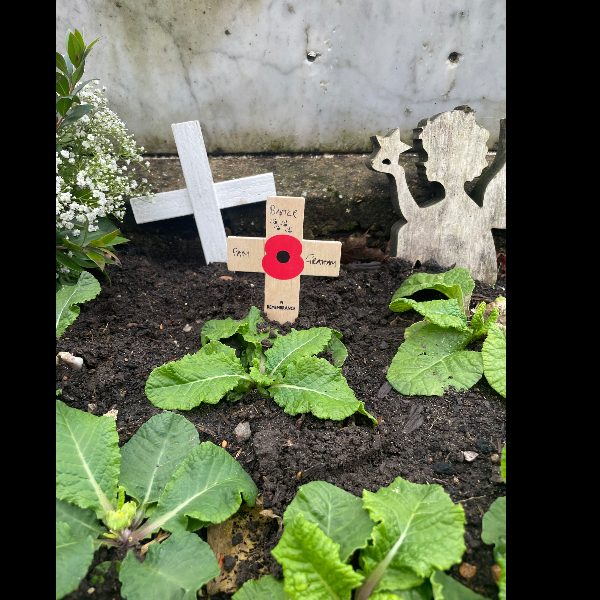
Baxter and I began our walk by going to St Leonard’s Church to lay our Frontline Cross at a CWGC headstone to a Canadian 🇨🇦 medic who died in 1918. 

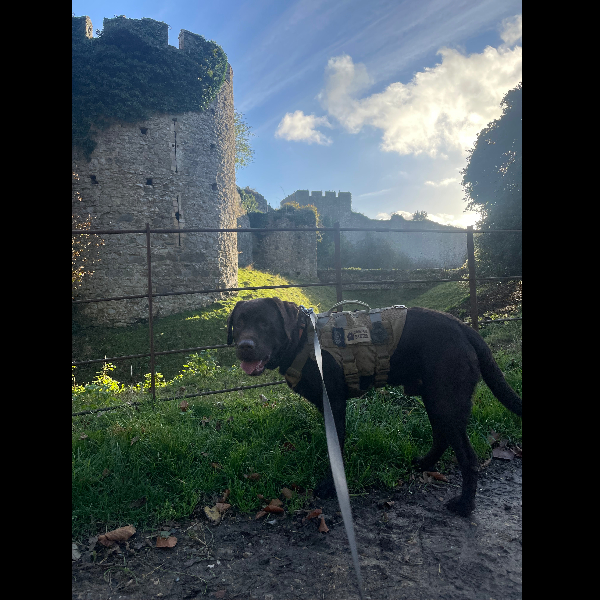
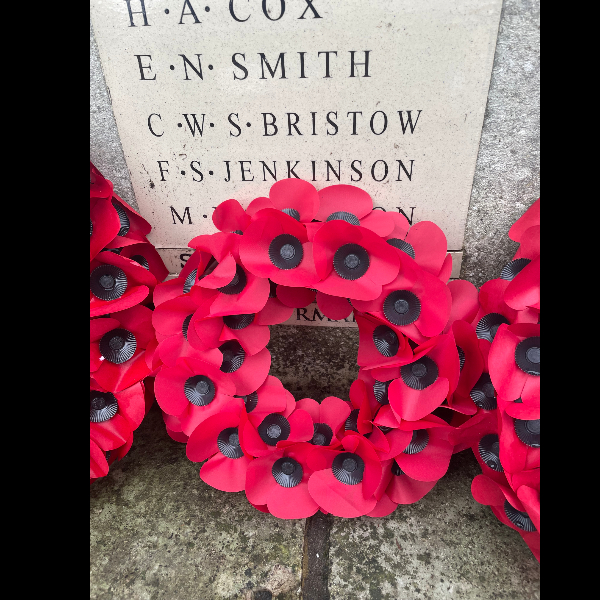
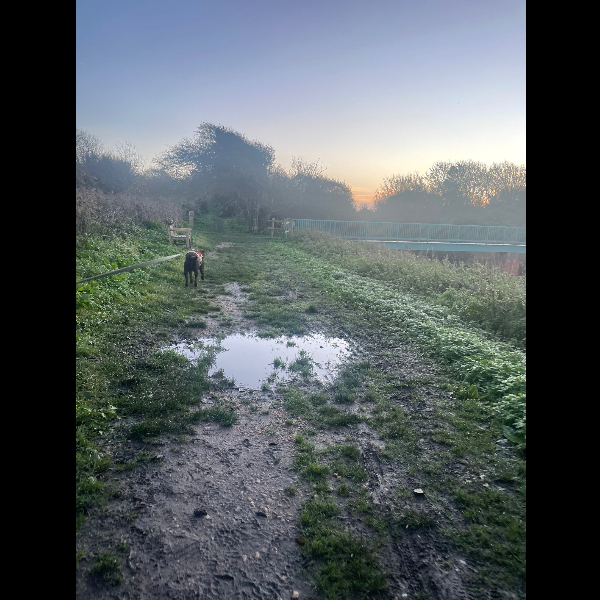
We then decided to coddiwomple over local footpaths which took us on a circular route past Saltwood Castle and then through to Church, where we stopped to pay our tributes to two CWGC headstones before tipping our head at the War Memorial. 

It still astounds me how small villages have so many names on the  memorial. 

Baxter beat me again - 12.8 miles vs. my paltry 9.8 miles and his 86,814 🐾🐾🐾🐾steps against my 23,334 grumpy old Queensman steps. 


1.1 miles left to do and I have 6.6 miles to do -  I’d better get a wiggle on then 😂😂😂😂😂😂😂😂

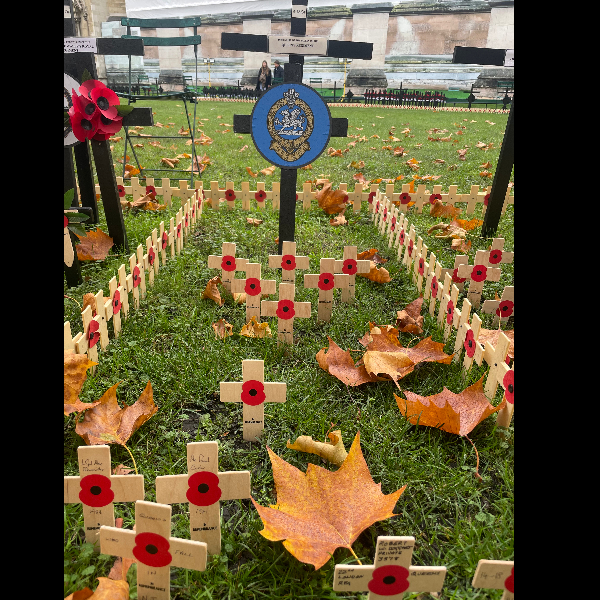
K7 reflections - Garden of Remembrance Westminster Abbey
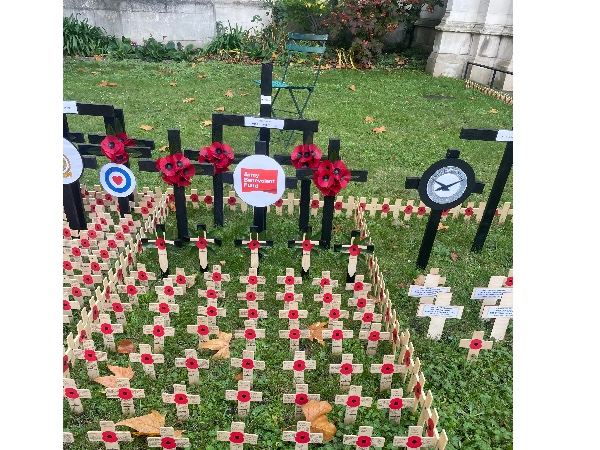
Reactivated my lunchtime leg-it session for the first time today. Managed a speed march of 3.9 miles from the BM to the Remembrance Gardens at Westminster Abbey. 

Sad to see so few poppies in the old pre 1966 regiments. Makes you realise that the generation who ,made these regiments are no  longer with us now. 

What really saddened me though was that there were no poppy sellers at StP 😢 but the 🎄and decorations were up 🤷‍♀️.

Meanwhile Baxter decided to take a breather today. He only clocked up 7.4miles equivalent of 50,281 🐾🐾steps. 

Hurrah…… finally beat him 😂😂😂😂😂😂😂

K6 reflections - War Memorial by night.
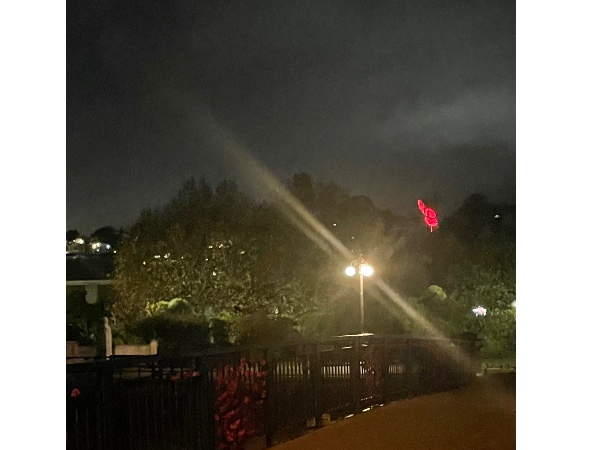
Managed to include a 3.6 miles run as part of my overall distance total for the day. Baxter beat me again by clocking up 10.3 miles, the equivalent of 69,821 🐾🐾steps. 

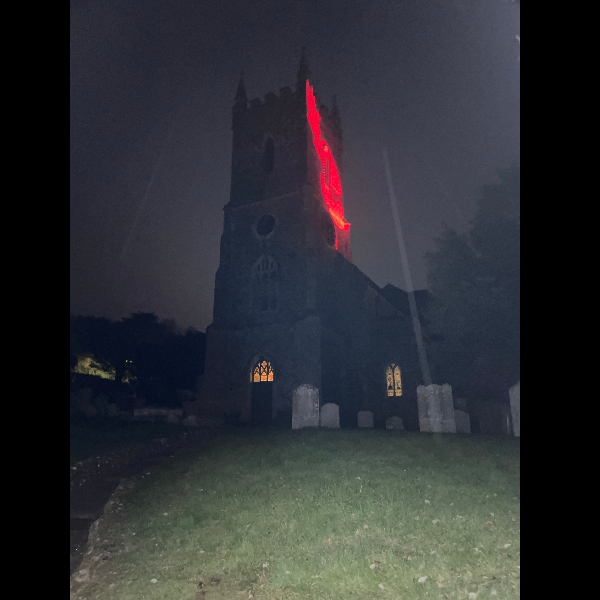
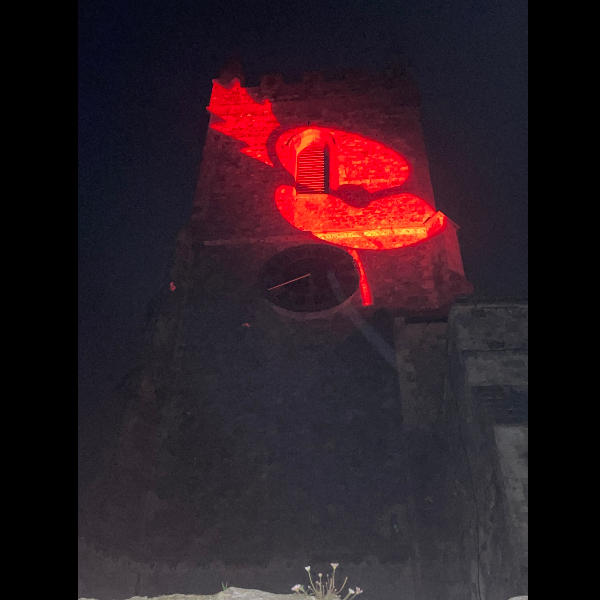
The image is of the War Memorial across the Royal Mikitary Canal with St. Leonard’s Church in the background with the RED POPPY projected onto the Church Tower. So impressed with the energy and effort by my hometown this year. 

K5 reflections - Wednesday 05 November 2025
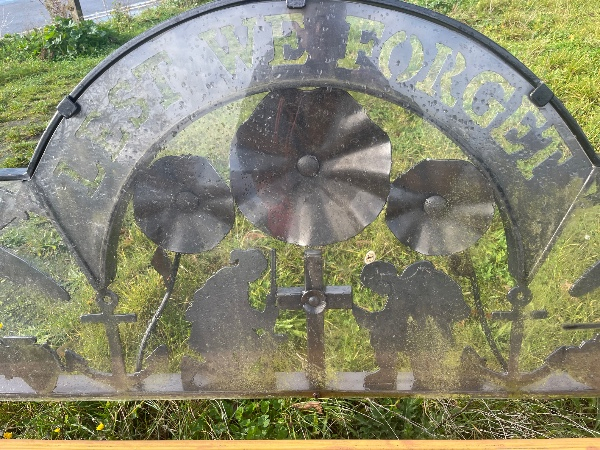
Favourite bench made by a local blacksmith. Not many commemorative  benches that recognise the contribution of women on the front line. 


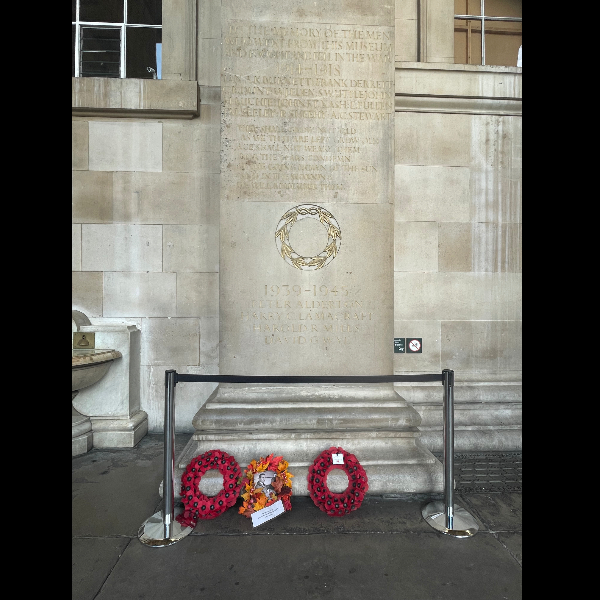
K4 reflections - Euston Station War Memorial
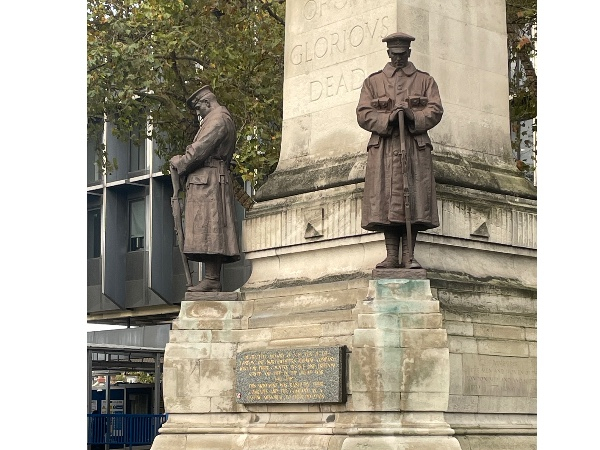
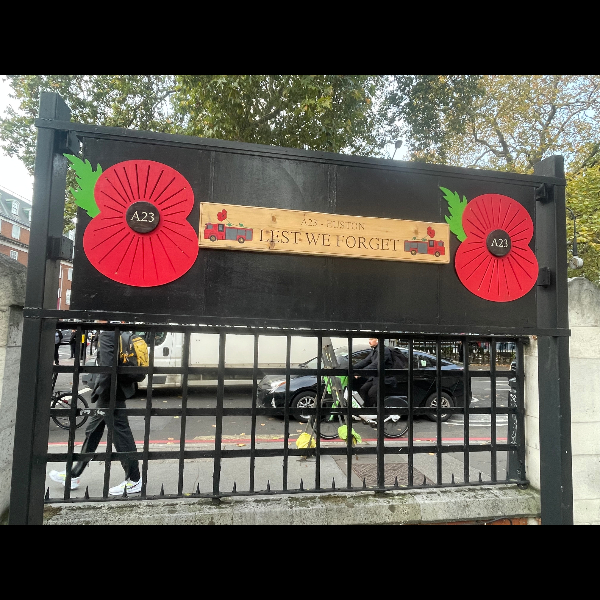
Put a dogleg into my WFM commute to the Museum.  Striking memorial that commemorates railway workers who answered their countries call and made the ultimate sacrifice. 

K3 reflections - Catstycam Shop

Another 9.8 miles to add to the total. Mr Baxter clocked a further 8.8 miles equiv. 60,084 paw 🐾🐾🐾🐾steps. 

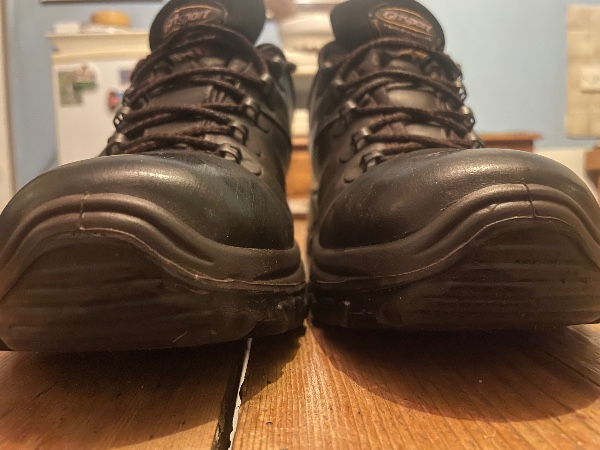
My fav walking shoes (Grisports).

Probably the most comfy I’ve ever had. 

I normally get my annual walking shoe refresh from the Catsycam shop in Glenridding, Ullswater every September. 


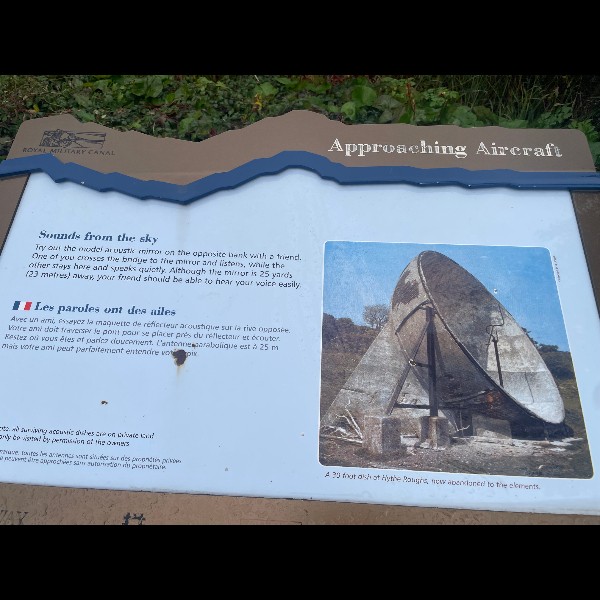
K2 reflections - Sound Mirrors

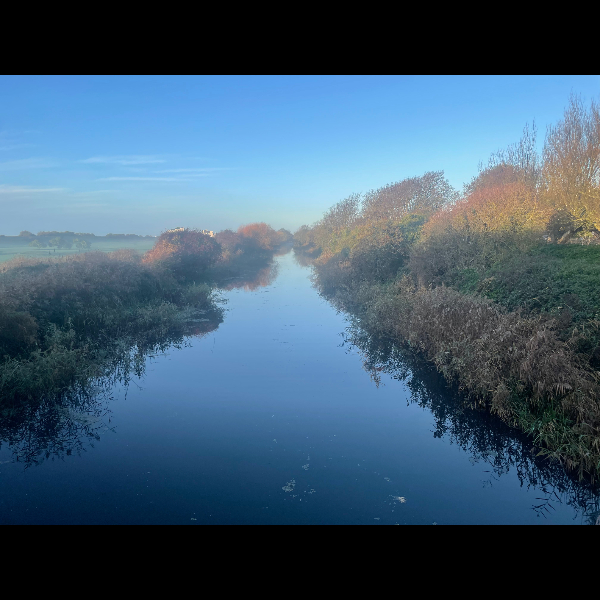
A walk of two halves - outbound in the rain 🌧️ and inbound in the sunshine 🌞. 

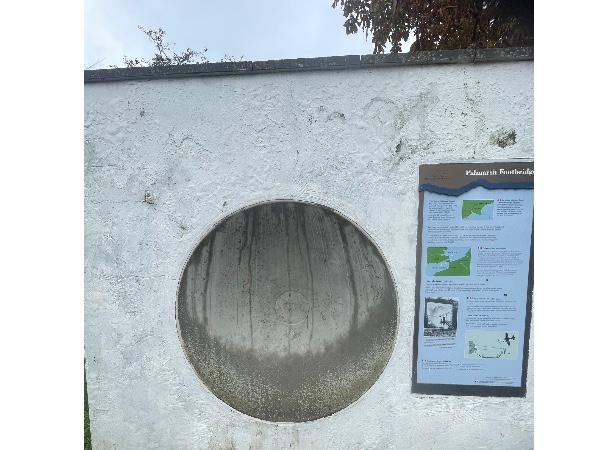
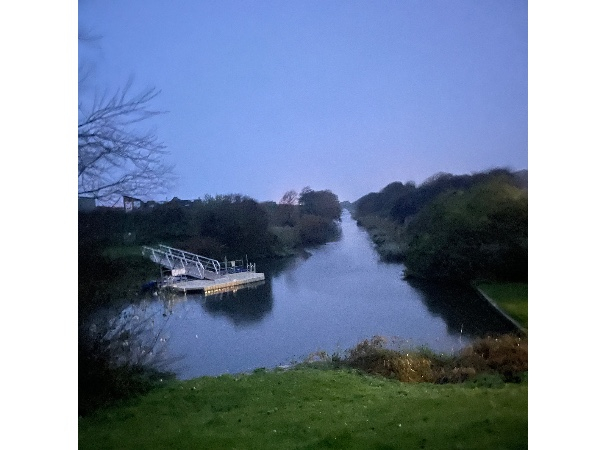
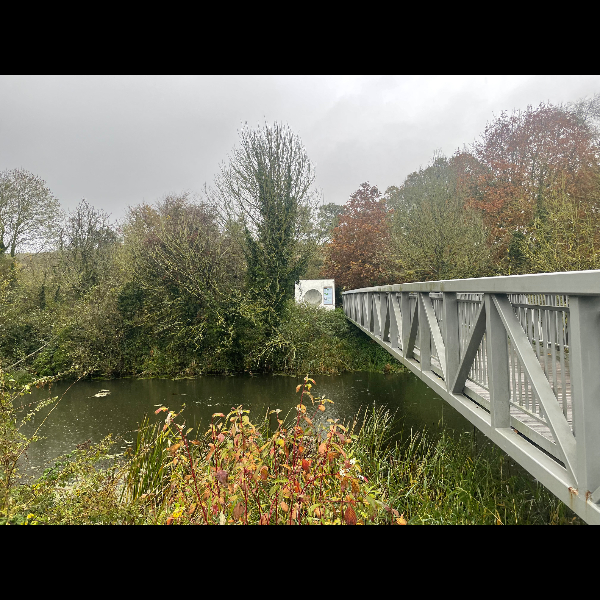
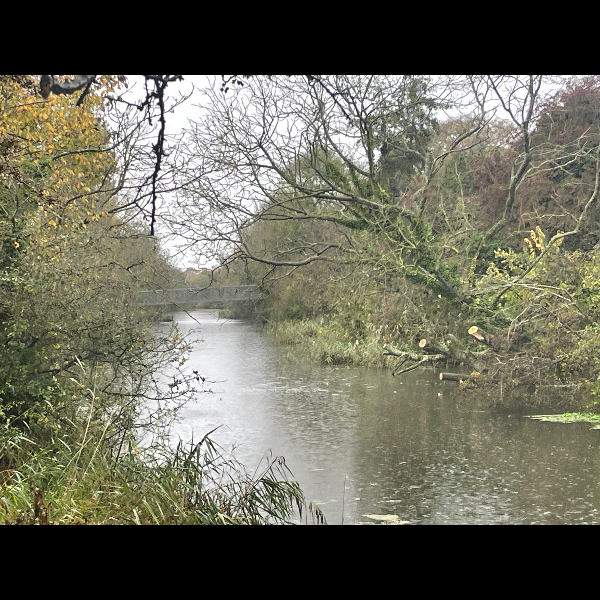
This time me and Baxter walked the western length of the Royal Military Canal to Botolphs Bridge and back. Going past the old CTPA Training Area A - aka The Roughs and the home to a pre WW2 sound mirror. 

Great bit of kit that actually works and defended our airspace.

Amazing !!!!

Baxter 🧸bless him beat me again with another 10.7 miles and 72,531 paw 🐾 🐾🐾🐾to his count- at this rate he will have completed his 80 miles before me 😂😂😂😂😂😂😂😂

K1 reflections - Dawn start

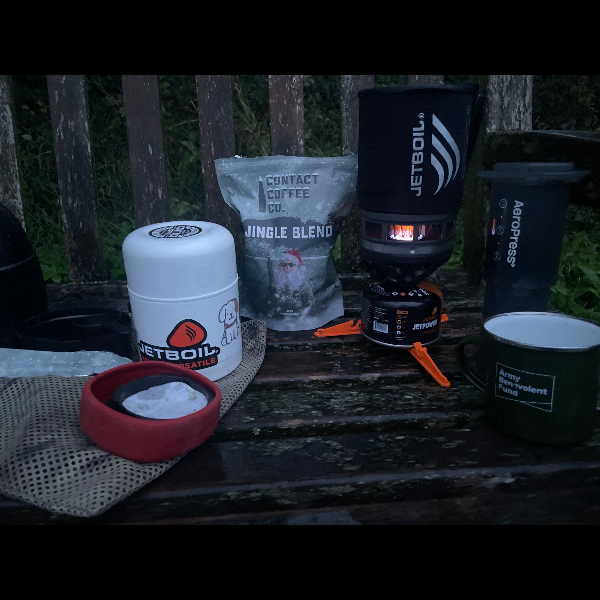
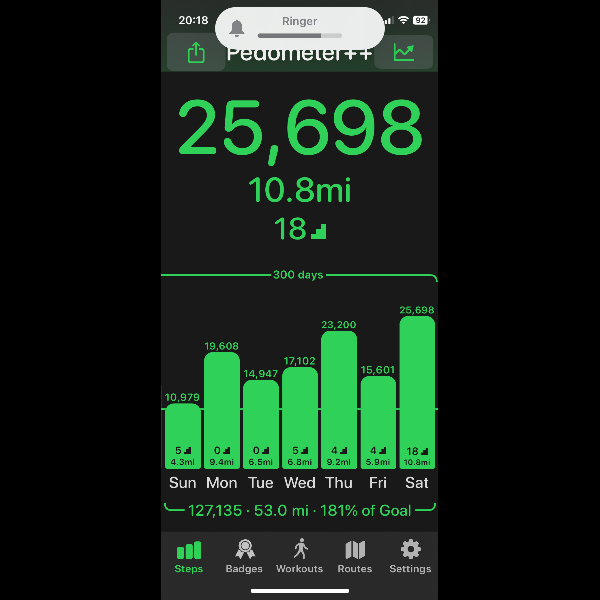
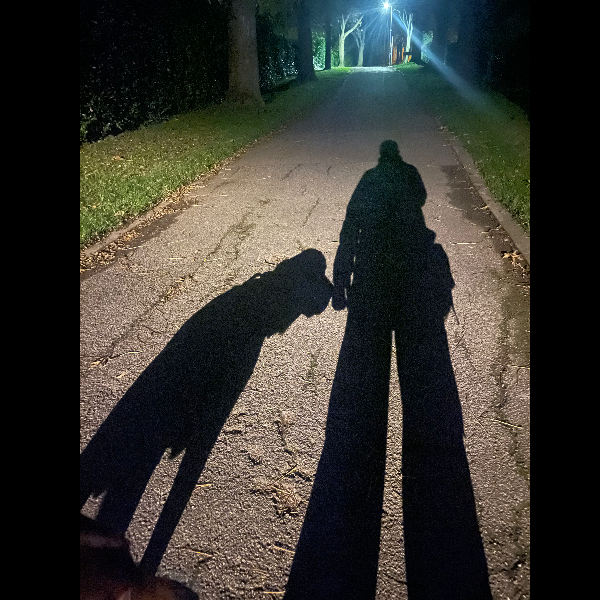
05.30 hours start in the dark and rain. Nonetheless we completed 10.8 miles, 25,698 steps. Meanwhile Baxter completed 12 miles equiv 81,588 paw 🐾🐾🐾🐾 steps. Five of those miles were completed by 07.30 - managed to pause for fresh hot coffee and beans with sausages.

Look forward - Royal Military Canal western leg

Big thanks to my supporters

Amazing support from family, colleagues and fellow security professionals. Baxter and I have raised £174 of the £759 raised already. 

Thank you all so much for your support! 

K-1 - Old habits die hard

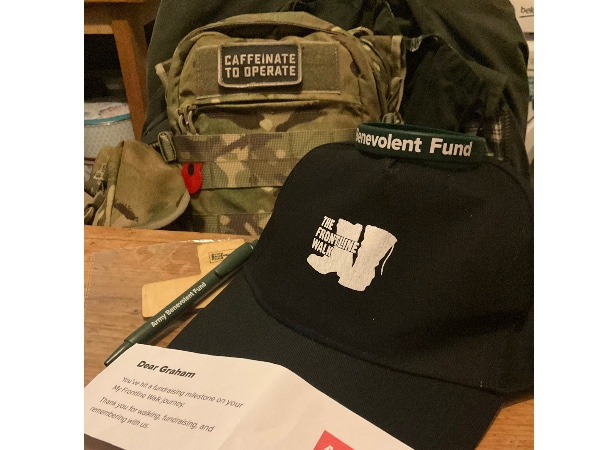
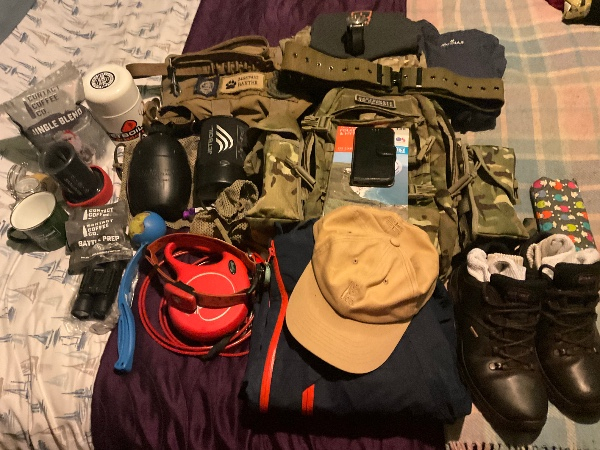
Always check your kit before going on an operation or an exercise. 

Even went for a pre-ex wobble for 3 miles to check that that it all fitted and worked as designed - without making any annoying clanging noises. 

Thank you to my Sponsors

£205

Dave’s Chimney Sweep

Well done

£53.32

Saqib Ishaque

Good Luck.

£32.23

Sue And Steve

Well done Graham

£30

Jack Bennett

Best of luck Graham !!

£27.05

Paul Usher

£27.05

Taras

£27.05

Jack & Anita

All the best on the walk Graham

£26.45

Serena Nurse

So proud of what you and Baxter are undertaking, Graham.

£26.45

David Ward

Good luck, well done for raising both funds and awareness for such a special cause
£25

Specialist K9’s Limited

Good luck with the target Graham.

£22.88

Anonymous

£21.84

David Gould

Good Luck Graham a great cause. Best wishes to you buddy

£20

Bitzers Pet Store

£19.74

Anonymous

£17.23

Graham Dunkley

£16.56

Andrew Laverick

Hello Graham. We are happy to support you in the great work you are doing. All the best from Andrew and everyone at Catstycam.

£16.56

Rob High

Good luck Graham !

£16.56

Dominique And Rod

Good luck Graham and Baxter

£16.56

Maddy King

£16.56

Ray&denise

Well done Graham - good luck 😊

£16.56

Pam Dunkley

Well done Graham and Baxter, you're doing great. Love Pam x

£16.56

Margaret & Nigel Canning

Happy walking Graham.

£16.56

Timo Wood

Great cause, good luck.

£16.56

Shahid Khan

Good Luck Graham.

£11.33

Navdeep Sandhu

£11.33

Tom Bloomfield

£6.11
Tim Mohammed

Show more